What Is Link Building? A Beginner's Guide To SEO Backlinks
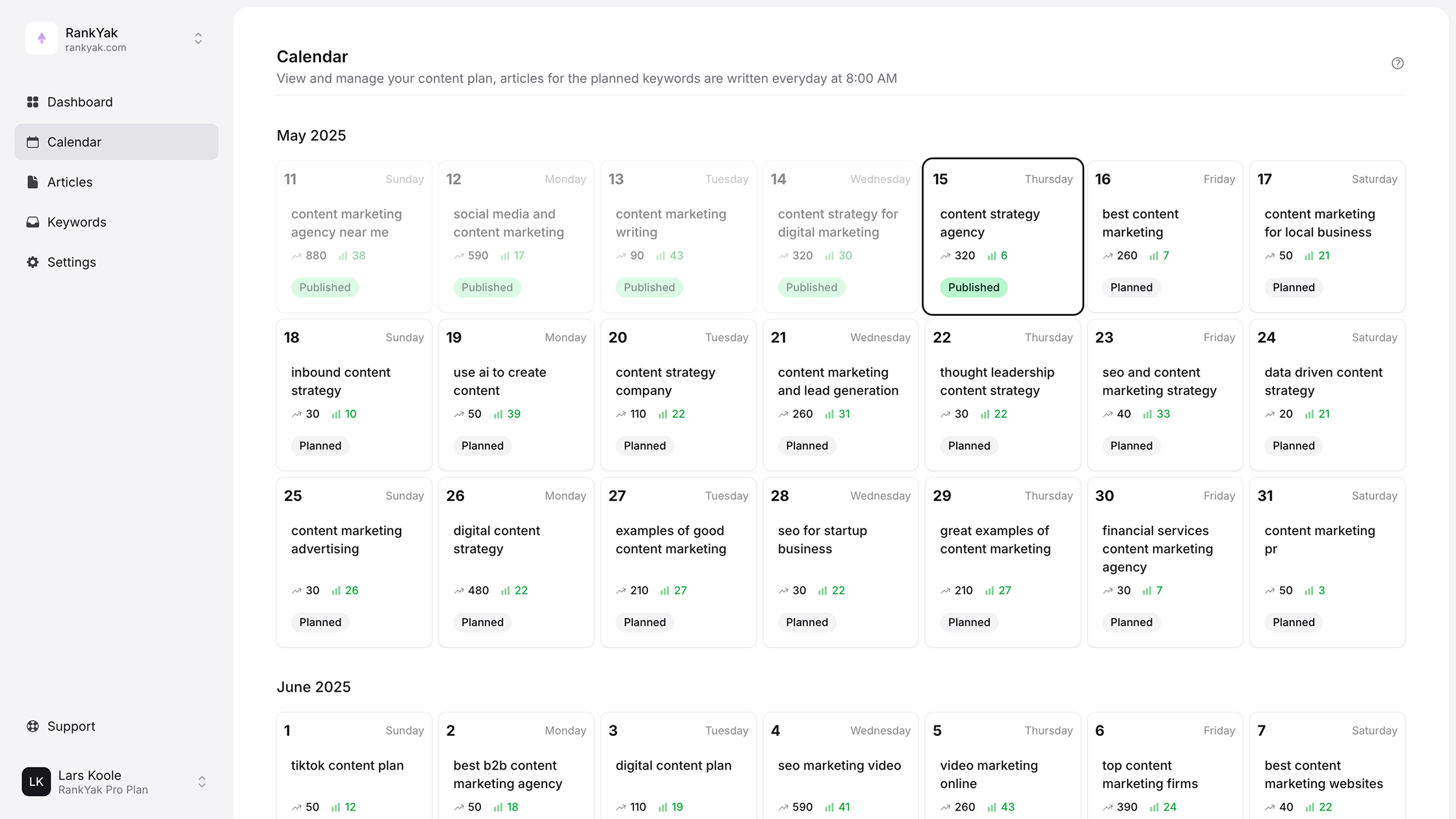
If you've spent any time trying to improve your website's search rankings, you've probably come across the term "link building", and maybe felt a little overwhelmed by it. So, what is link building, exactly? In short, it's the process of getting other websites to link back to yours. These links, called backlinks, act as votes of confidence in the eyes of search engines like Google. The more quality backlinks your site earns, the more authority it builds, and the higher it can rank.
Link building matters because Google doesn't just evaluate what's on your site. It also looks at what other sites say about you. A backlink from a trusted, relevant website signals that your content is worth referencing, which directly influences where you show up in search results. Without backlinks, even well-written content can sit buried on page five, invisible to the people searching for it.
The challenge? Building backlinks manually is tedious and time-consuming. It involves outreach, relationship building, content creation, and a lot of follow-up. That's exactly why we built RankYak's automated backlink exchange feature, to help you build a network of high-quality backlinks from niche-relevant sites without the grind. Paired with daily SEO-optimized articles and smart keyword targeting, it's a system designed to grow your site's authority on autopilot.
This guide breaks down everything a beginner needs to know about link building: what it is, why it's critical for SEO, the different types of backlinks, and the most effective strategies to start earning them. Whether you're running a small business site or managing content for multiple brands, you'll walk away with a clear understanding of how backlinks work, and how to make them work for you.
Why link building matters for SEO
Search engines can read every word on your page, but they can't automatically verify whether your content is actually trustworthy or valuable. That's where backlinks come in. When another website links to yours, it's essentially vouching for your content. Google treats these links as signals of credibility, and it uses them alongside your on-page content to decide where your pages rank. Understanding what is link building, and why backlinks matter so much for SEO, is one of the most impactful steps you can take toward growing your organic traffic.
Links are how Google measures authority
Google's algorithm has always placed heavy emphasis on links as a ranking factor. In fact, PageRank, the original algorithm Google was built on, was specifically designed to measure the importance of a page based on the quantity and quality of links pointing to it. While the algorithm has grown far more complex since then, links remain one of the strongest ranking signals Google uses today.
Authority flows directly from link building. Sites that earn links from many reputable sources build a stronger topical authority profile, which tells Google they're a reliable source worth surfacing to searchers. A new site publishing great content can still rank, but it will almost always take longer to compete against established sites with strong link profiles, no matter how well-written the content is.
The more high-quality backlinks your site earns, the stronger its authority signal becomes, and the easier it gets for your content to rank over time.
Backlinks drive referral traffic, not just rankings
Backlinks don't just move the needle on rankings. They also send real visitors directly to your site from the pages where your links appear. If a popular site in your niche mentions your article and links to it, a percentage of their readers will click through to your content. That referral traffic arrives with built-in context and interest, which means it often converts better than cold search traffic.
Building a strong backlink profile also diversifies your traffic sources, so you're not entirely dependent on Google's algorithm. If rankings shift, sites with a healthy backlink portfolio often maintain a steady flow of visitors through direct referral channels. That's one of the proven benefits of link building: it strengthens your SEO foundation while opening up additional routes to your content.
Why content alone is not enough
You've probably heard that quality content is the foundation of good SEO, and it absolutely is. But content without links is like a great product nobody has ever heard of. Search engines need external signals, the kind an off-page SEO strategy produces, to verify whether your content is genuinely useful or just well-written. Two pages covering the same topic at similar quality levels will not rank the same if one has strong backlinks and the other has none.
This is a frustration many site owners run into. They invest time writing solid articles and still see them stuck on page three with almost no impressions. Link building bridges that gap between having content worth reading and having content that actually ranks. It's the signal that tells Google your page deserves more visibility, not just from the people who already know to look for you, but from the broader audience actively searching for what you offer.
How links work and how Google treats them
When another website includes a link to your page, it creates a direct pathway that both users and search engines can follow. Google's crawlers, called Googlebots, constantly move across the web by traveling through these links from one page to another, and how Googlebot spends its crawl budget decides how quickly your pages get seen. Every time they discover a new link pointing to your site, they factor it into how they evaluate your page's authority and relevance. Understanding this process gives you a clearer picture of what is link building and why earning links from the right sources is worth the effort.
How Google crawls and follows links
Googlebot doesn't just read the text on your page; it also scans for links pointing to and from your content. When it finds a link, it follows that path and indexes the destination page, then uses the relationship between the two pages to inform its ranking decisions. The anchor text, which is the visible, clickable text of a link, gives Google additional context about what the linked page covers.
Descriptive, relevant anchor text strengthens the connection between your content and the topics you want to rank for, while generic anchor text like "click here" provides almost no context to search engines.
For example, if a well-known cooking site links to your recipe page using the anchor text "best homemade pasta recipe," Google interprets that as a signal that your page is a relevant, authoritative source for that specific topic. That context directly shapes how your page appears in search results.
The difference between follow and nofollow links
Not all links pass the same value to your site. A standard dofollow link tells Google's crawlers to follow it and credit your site with the authority signal it carries. A nofollow link, marked with a specific HTML attribute, originally instructed Google to ignore it entirely for ranking purposes. Google has since shifted to treating nofollow as a hint rather than a hard rule, meaning it may still consider these links in certain situations.
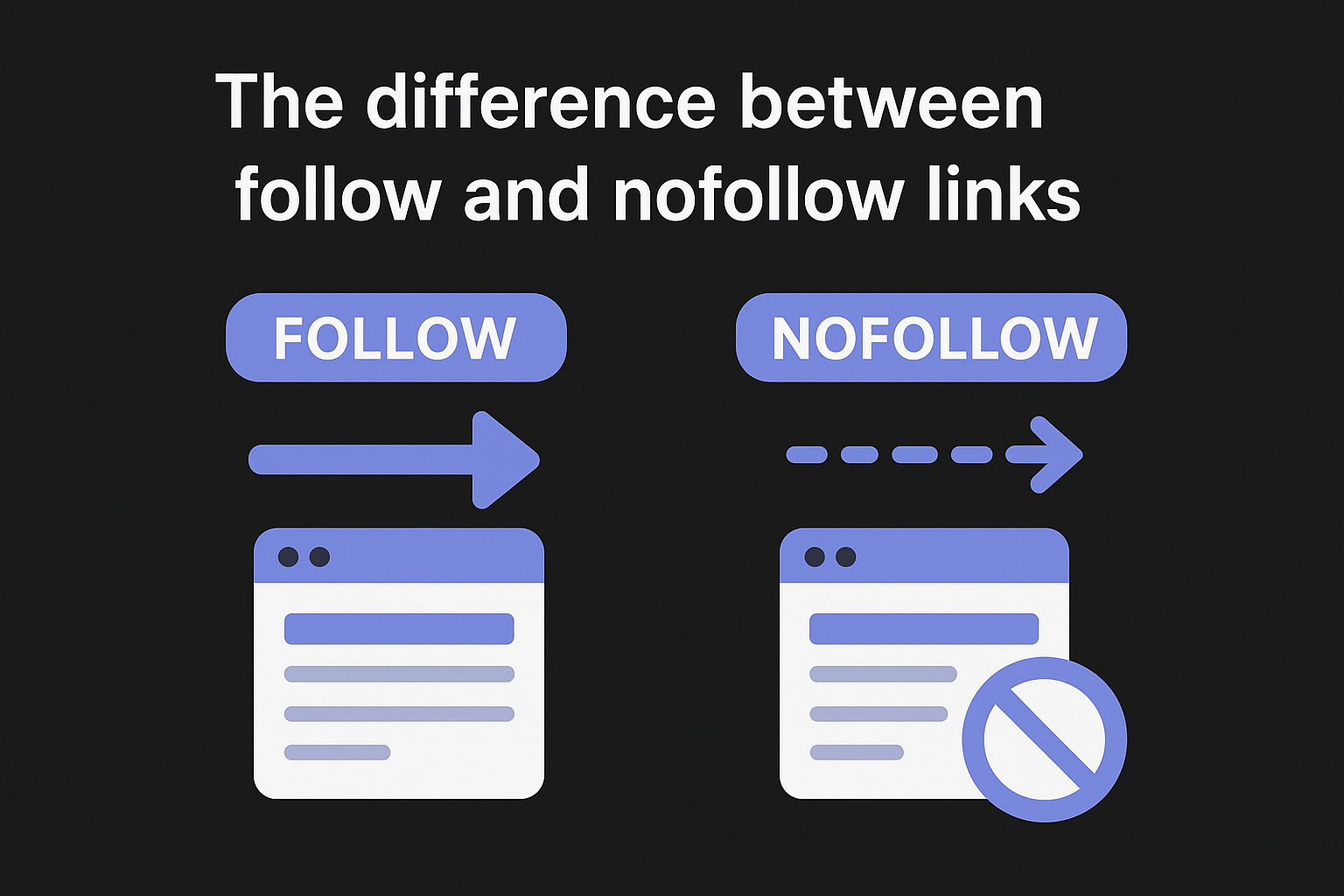
Your site will likely pick up nofollow links from platforms like social media, comment sections, and press release sites. While they carry less direct SEO weight, they can still drive referral traffic and contribute to a natural, diverse link profile, which Google also considers when evaluating whether a site's backlink growth looks organic rather than manipulated.
What makes a backlink valuable
Not all backlinks carry the same weight, and once you understand what is link building at a deeper level, this distinction becomes critical. A link from a small, unrelated blog carries far less value than a link from a trusted publication in your specific niche. Google weighs several factors when it evaluates a backlink, and knowing what those factors are helps you focus your efforts on earning links that actually move your rankings rather than ones that barely register. Chasing volume without considering quality is one of the fastest ways to waste your time.
Authority and relevance of the linking site
The two biggest factors that determine a backlink's value are domain authority and topical relevance. A site with a strong authority profile, meaning it has itself earned many quality backlinks, passes more ranking signal to your page when it links to you. Google assesses how well-established and trusted a linking site is, then uses that assessment to determine how much weight to assign to the link it's passing your way.
A single link from a high-authority site in your niche can outperform dozens of links from low-quality, unrelated sites.
Relevance matters just as much as authority. If you run a fitness blog and a well-known health publication links to your article on workout recovery, that link carries strong contextual alignment. Google reads the content surrounding your link and uses it to confirm whether the connection between the two pages makes topical sense. A backlink from an unrelated site, even a high-authority one, is worth significantly less because it lacks that alignment.
Placement and anchor text
Where your link appears on the page also affects its value. Links embedded naturally within the body content of an article carry more weight than links buried in footers, sidebars, or comment sections. Google understands that editorial links placed within a piece of content represent a more deliberate and meaningful endorsement than links added to a template area of a page.
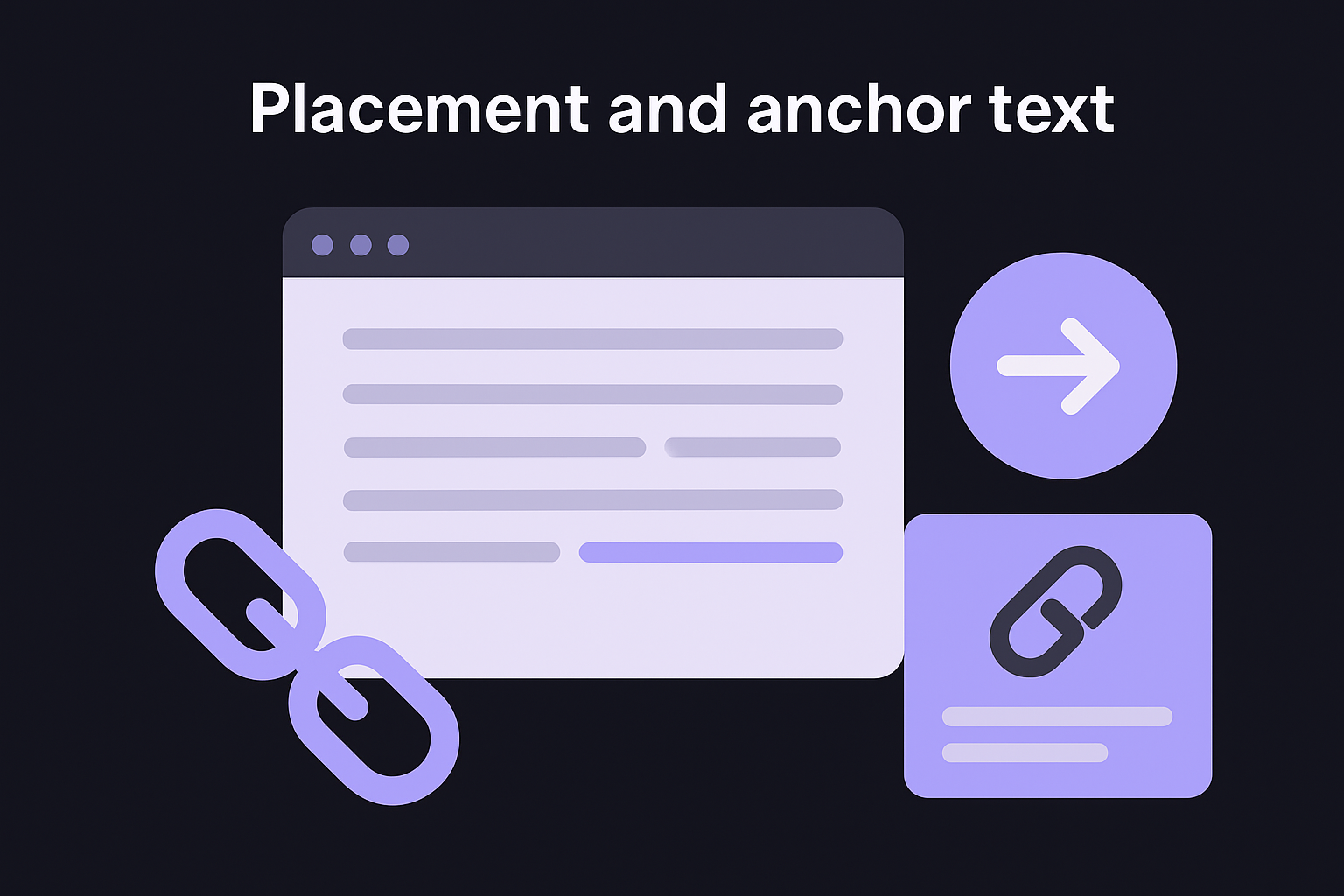
Your anchor text sends a direct relevance signal to Google about what your linked page covers. Descriptive anchor text that matches the topic of your destination page strengthens the ranking signal. At the same time, your overall link profile should show variety, because anchor text that looks repetitive or keyword-heavy can trigger spam filters and hurt your rankings rather than help them.
Beginner-friendly link building methods that work
Once you grasp what is link building and why it matters, the next question is where to start. You don't need a massive budget or a dedicated outreach team to begin earning backlinks. Several practical methods for building backlinks that work fast suit beginners, and each one focuses on earning links through genuine value rather than shortcuts that risk penalties.
Create content that earns links naturally
The simplest way to attract backlinks is to publish content that other sites genuinely want to reference. This means going beyond basic blog posts and creating resources that answer real questions in depth, like detailed guides, original data, industry comparisons, or step-by-step tutorials. When your content serves as a reliable reference, other writers and site owners will link to it without any outreach required.
The easiest link you can earn is the one someone places on their own because your content was the best available answer to a question their audience had.
Focus on formats that naturally attract citations. Original research and statistics are particularly powerful because other content creators constantly seek data to back up their claims, and they always credit the source.
Reach out with guest posts
Guest posting for backlinks means writing an article for another website in your niche in exchange for a backlink to your site. It gives you direct control over where your link appears and what topic it connects to. Start by identifying relevant sites that accept contributor content, then pitch article ideas that genuinely serve their existing audience rather than just what you want to promote.
Your pitch should lead with the value you're offering their readers, not the backlink you want in return. Site owners accept guest posts because they benefit from fresh, quality content, so frame every outreach message around that benefit.
Build partnerships through backlink exchanges
Backlink exchanges involve partnering with other sites in complementary niches to link to each other's relevant content. Done selectively, this approach builds mutual authority and creates a growing network of niche-relevant links over time. The key word here is selectively: exchanges only deliver value when both sites cover related topics and the links point to genuinely useful pages.
Platforms like RankYak's automated backlink exchange take the manual work out of this process by matching you with relevant sites automatically, so you build links consistently without spending hours on cold outreach every week.
Common mistakes and how to avoid penalties
Understanding what is link building also means knowing what to avoid. Google's spam policies are clear: manipulative link schemes can result in manual penalties that tank your rankings overnight or trigger algorithmic filters that suppress your site for months. The good news is that most link building mistakes are predictable, and you can sidestep all of them with a straightforward approach.
Buying links or using private link networks
Paid links that pass PageRank violate Google's guidelines directly. Private Blog Networks (PBNs), which are groups of sites built purely to sell backlinks, might seem like a shortcut but they carry serious risk. Google actively works to identify and devalue these schemes, and sites caught using them face manual penalties that can wipe out years of ranking gains.
The short-term traffic boost from bought links is never worth the long-term damage a manual penalty causes to your site's visibility.
If you want to build links at scale, stick to white hat link building techniques such as legitimate exchanges with niche-relevant sites or structured outreach that earns editorially placed links. These methods take more time, but they hold their value and won't leave your site vulnerable to algorithm updates.
Ignoring relevance and chasing volume
Many beginners assume that more backlinks always means better rankings. That's not how Google evaluates your link profile. A hundred links from low-quality, unrelated sites add little value and can actually trigger spam signals. Prioritizing topical relevance over sheer quantity produces a stronger, cleaner profile that Google recognizes as legitimate.
Before accepting or pursuing a link opportunity, check whether the linking site covers topics that connect logically to your content. If the connection feels forced, it probably won't carry meaningful weight and may not be worth pursuing at all.
Using over-optimized anchor text
Repeating the same keyword-heavy anchor text across many backlinks is a pattern Google's algorithm flags as manipulative. Your link profile should look natural, which means a healthy mix of branded anchors, generic phrases, partial matches, and exact-match terms. Anchor text that looks engineered rather than organic raises red flags, especially as your backlink count grows.
Audit your existing anchor text distribution periodically and adjust your outreach strategy to target variety. A diverse anchor profile signals to Google that your backlinks were earned editorially, not constructed to game rankings, which keeps your site on the right side of every algorithm update.
Next steps
Now that you understand what is link building and how it fits into your broader SEO strategy, the next move is putting that knowledge into action. Building a strong backlink profile takes consistency, but you don't need to do it manually. Start by auditing your existing backlinks, then identify content on your site that deserves more visibility and focus your early efforts on earning links for those specific pages first.
From there, prioritize quality over quantity at every step. One well-placed link from a relevant, trusted site will outperform ten links from unrelated, low-authority pages every time. If you want to skip the manual outreach grind entirely, let RankYak run your SEO end to end: daily content creation, keyword targeting, and backlink exchange all in one place, so your site builds authority consistently without consuming hours of your time each week.
Lars Koole is a co-founder of RankYak and has worked in SEO since 2021, on the side where a strategy has to become a live page: inside agencies, alongside them, for clients directly, and in-house on the products being ranked. He is a software engineer by trade, which is how that page gets built. Before RankYak he founded companies of his own, two of which were acquired. At RankYak he owns the engineering and everything AI, and works out the solution and the implementation of each new feature.